
Distributed Systems Architecture
Design fault-tolerant networks, study consensus mechanisms, and deploy testnets that mirror production constraints.
Hanoi, Vietnam
At Valleybase, students learn distributed systems architecture through hands-on projects: writing self-executing agreements, reducing gas costs in production code, and building secure bridges between blockchains. The final exam is a security review of code they wrote themselves.
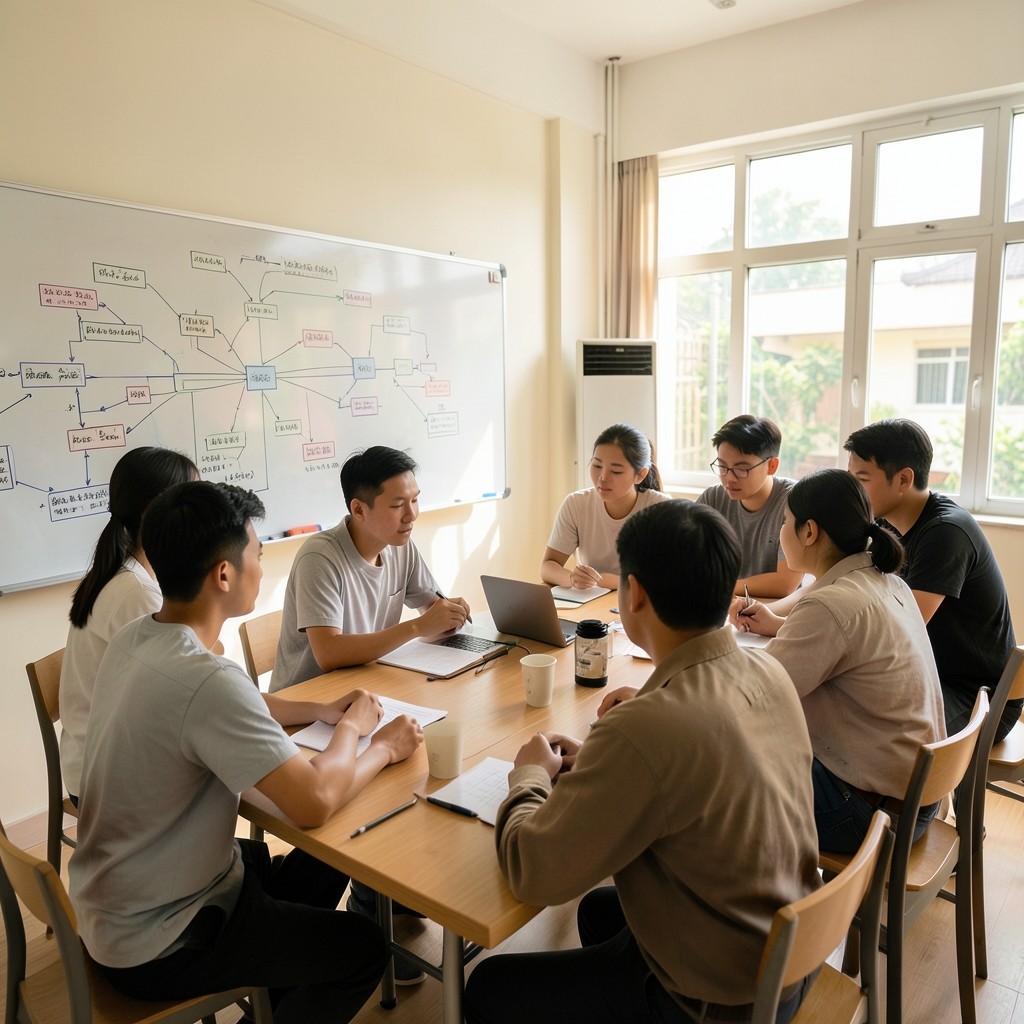
Our curriculum treats blockchain infrastructure as an engineering problem, not a trading opportunity. Every cohort completes a real asset-tokenization project before graduation.
Design fault-tolerant networks, study consensus mechanisms, and deploy testnets that mirror production constraints.

Write self-executing agreements with explicit state machines, formal test suites, and documented upgrade paths.

Build and stress-test bridges between blockchains, with emphasis on message verification and failure recovery.
Each student portfolio includes a completed tokenization project, gas-optimization case study, and the written report from their final security audit.
A three-student team mapped Mekong Delta warehouse receipts to on-chain certificates with offline dispute resolution hooks.
Built a testnet bridge between two EVM chains with explicit rollback procedures when oracle feeds stall.
Reduced deployment and transfer costs by 34% through storage layout changes documented in a peer-reviewed report.
The gas-fee module changed how I read bytecode. I came in thinking optimization meant shorter functions; I left understanding storage slots and call patterns. The audit at the end was uncomfortable in the right way — I found two bugs in my own bridge code before the instructors did.
— Linh Tran, Cross-Chain Bridge Security, 2025
Valleybase does not hand you templates and call it done. My tokenization project required weeks of conversations with a warehouse operator in Can Tho. That fieldwork mattered more than any lecture slide.
— Minh Pham, Asset Tokenization Studio, 2024